
Body Shape Physiology
Understanding the science behind how your body distributes and manages fat tissue
Educational content only. No promises of outcomes.
Simple Purpose Statement
This resource provides a straightforward, evidence-based explanation of the physiological principles that influence body shape. We explain how genetics, hormones, age, and metabolism work together to determine fat distribution patterns. Our goal is to clarify common misconceptions and present the current scientific understanding without offering weight management advice or transformation promises.
Basic Fat Distribution Science
How Your Body Stores Fat
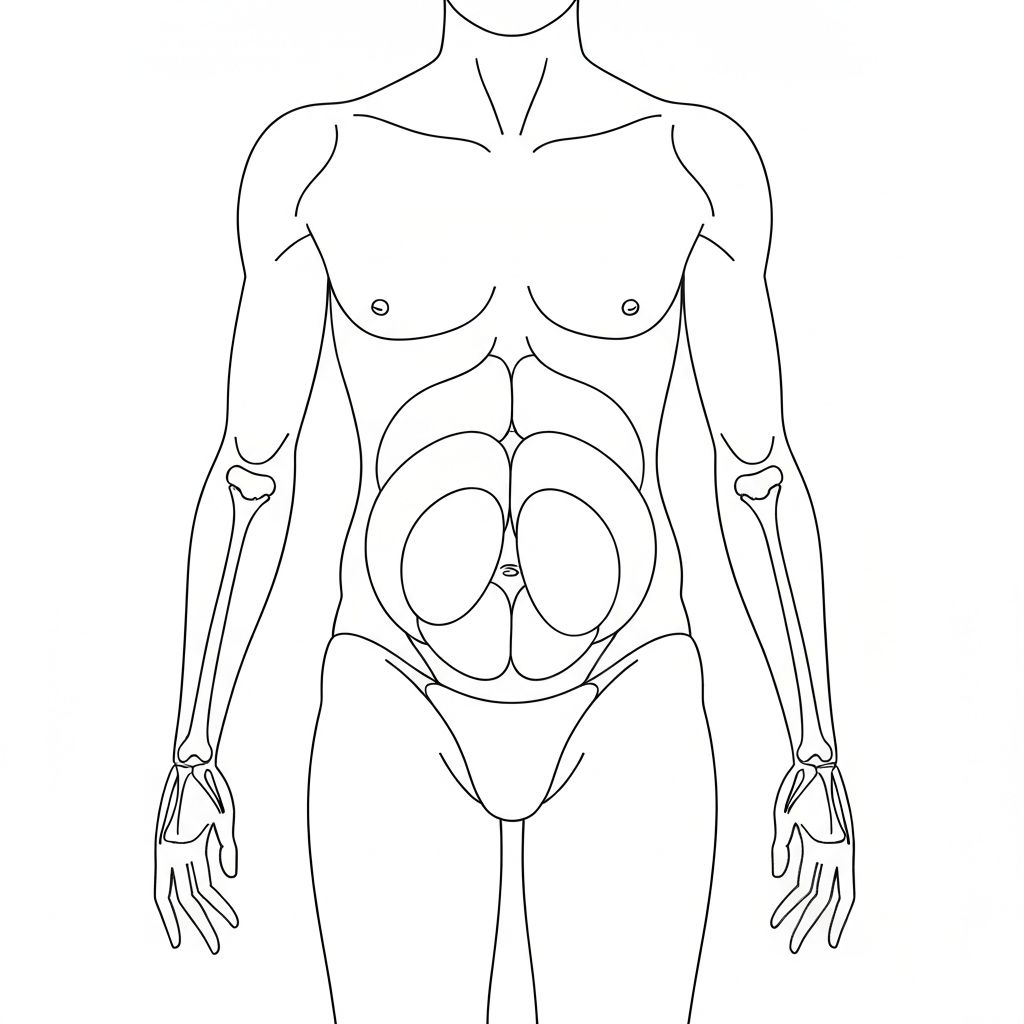
Fat tissue, or adipose tissue, is not distributed evenly across the human body. Different regions have varying numbers of fat cells and different responsiveness to hormonal signals. The body maintains distinct zones of fat storage, with some areas being more metabolically active than others. This regional variation is a fundamental aspect of human physiology.
Understanding these physiological patterns helps explain why body shape varies so widely between individuals and why spot reduction of fat from specific areas remains unsupported by scientific evidence.
Genetic and Hormonal Factors
Inherited and Endocrine Influences
Body shape is heavily influenced by genetic inheritance. Studies of twins and family patterns show that the tendency to store fat in specific regions is heritable. Hormonal systems—including estrogen, testosterone, cortisol, and insulin—also play critical roles in determining where and how efficiently the body stores energy.
These factors are largely outside individual control, which explains the natural variation in body composition across populations.
Age-Related Shape Changes
Natural Shifts Over the Lifespan
Body shape changes naturally across different life stages. During puberty, hormonal shifts create sex-specific fat distribution patterns. In middle age, metabolic changes and shifting hormone levels often lead to changes in where the body stores fat. These transitions are normal biological processes, not failures of individual effort.
Longitudinal studies document these age-related patterns consistently across diverse populations, confirming that shape changes are part of natural human development.

Spot Reduction Myth vs Research Reality
| Common Claim | Scientific Evidence |
|---|---|
| Targeted exercises reduce fat in specific areas | Research shows fat loss occurs systemically; spot reduction is not supported |
| Certain diets reshape specific body zones | Fat loss follows genetic patterns, not dietary interventions targeting body regions |
| Lifestyle changes allow precise body reshaping | While weight loss can occur, the specific areas affected depend on genetics and physiology |
| Simple strategies simplify body shape change | Body shape is determined by complex genetic, hormonal, and metabolic factors |
Regional Lipolysis Mechanisms
How Different Fat Zones Respond
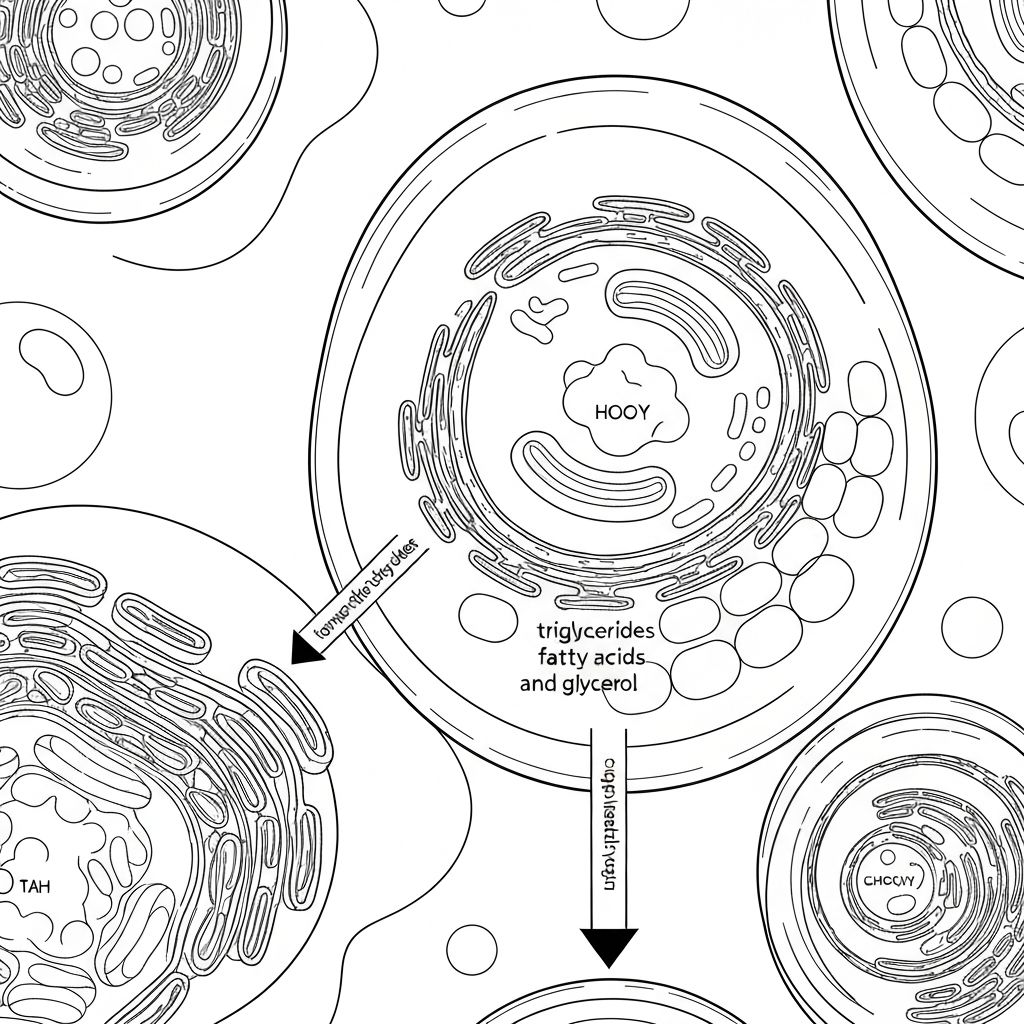
Lipolysis is the process of breaking down fat for energy. Different regions of the body have varying sensitivities to hormonal signals that trigger this process. Some areas are more readily mobilized during energy deficit, while others are more resistant.
This regional variation in lipolytic response is determined by the type and density of receptors on fat cells in each area, which is largely genetically determined. This explains why weight loss or exercise affects different body regions differently between individuals.
Estrogen and Fat Storage Patterns
The Role of Sex Hormones
Estrogen and other sex hormones significantly influence where and how much fat the body stores. Estrogen tends to promote fat deposition in lower body regions, while androgens influence upper body and central fat storage patterns. These hormonal influences explain much of the observed differences in fat distribution between sexes.
Changes in hormone levels during menopause, andropause, and other life transitions create predictable shifts in body composition that are rooted in physiology, not lifestyle.
Research on Body Shape Stability
Longitudinal studies spanning decades consistently show that baseline body shape tends to remain relatively stable throughout adult life, despite weight fluctuations. This suggests a genetic and physiological "set point" for fat distribution patterns. While the total amount of fat varies with energy balance, the pattern of distribution appears largely fixed by early adulthood.
This finding contradicts the idea that consistent effort can substantially reshape the body's fundamental fat distribution pattern.
Blog Articles
Android vs Gynoid Fat Distribution
Explore the two primary patterns of human fat distribution and what determines which pattern an individual follows.
Read the article →Visceral vs Subcutaneous Fat
Understand the physiological differences between fat stored around organs and fat stored beneath the skin.
Read the article →Cortisol and Central Adiposity
Learn how stress hormones influence fat accumulation in the abdominal region.
Read the article →Menopause and Shape Shifts
Examine research on how hormonal changes during menopause affect body composition.
Read the article →Why Spot Reduction Fails
Discover the physiological reasons why targeted fat loss from specific body areas remains unsupported by evidence.
Read the article →Genetic Heritability of Body Shape
Explore the twin studies and family research demonstrating the strong genetic basis of body shape traits.
Read the article →Straightforward FAQ
Is body shape determined by genetics?
Genetics play a dominant role in determining baseline body shape and fat distribution patterns. Twin studies show heritability estimates of 60-80% for body shape traits. While weight can fluctuate with energy balance, the fundamental pattern of fat distribution is largely genetically determined.
Can targeted exercise change specific body areas?
Spot reduction—the idea that exercising a specific body area reduces fat from that area—is not supported by scientific evidence. When the body enters an energy deficit, fat loss occurs according to genetic and physiological patterns, not according to which muscles are exercised.
Why do different people have different body shapes?
Body shape variation results from the interaction of multiple factors: genetic inheritance of fat distribution patterns, hormonal influences, age-related changes, and current weight. These factors combine to create the natural diversity of human body shapes.
Does diet affect where fat is stored?
While diet affects total energy balance and therefore total body weight, it does not determine regional fat distribution. A caloric deficit may lead to weight loss, but which body areas lose fat first depends on genetic and physiological factors specific to each individual.
Are body shape changes during menopause unavoidable?
Hormonal shifts during menopause do influence fat distribution patterns. Research documents consistent changes across populations, reflecting the underlying physiology. Understanding these changes as normal biological transitions—rather than failures of effort—aligns with current scientific evidence.
Continue Exploring
Body shape is determined by complex physiological systems involving genetics, hormones, age, and metabolism. This resource presents evidence-based information to help you understand these systems without offering promises of transformation or oversimplifying what current science knows.
For more detailed explorations of these topics, visit our blog articles or contact us with questions.