Visceral vs Subcutaneous Fat Physiology
Published: February 2026
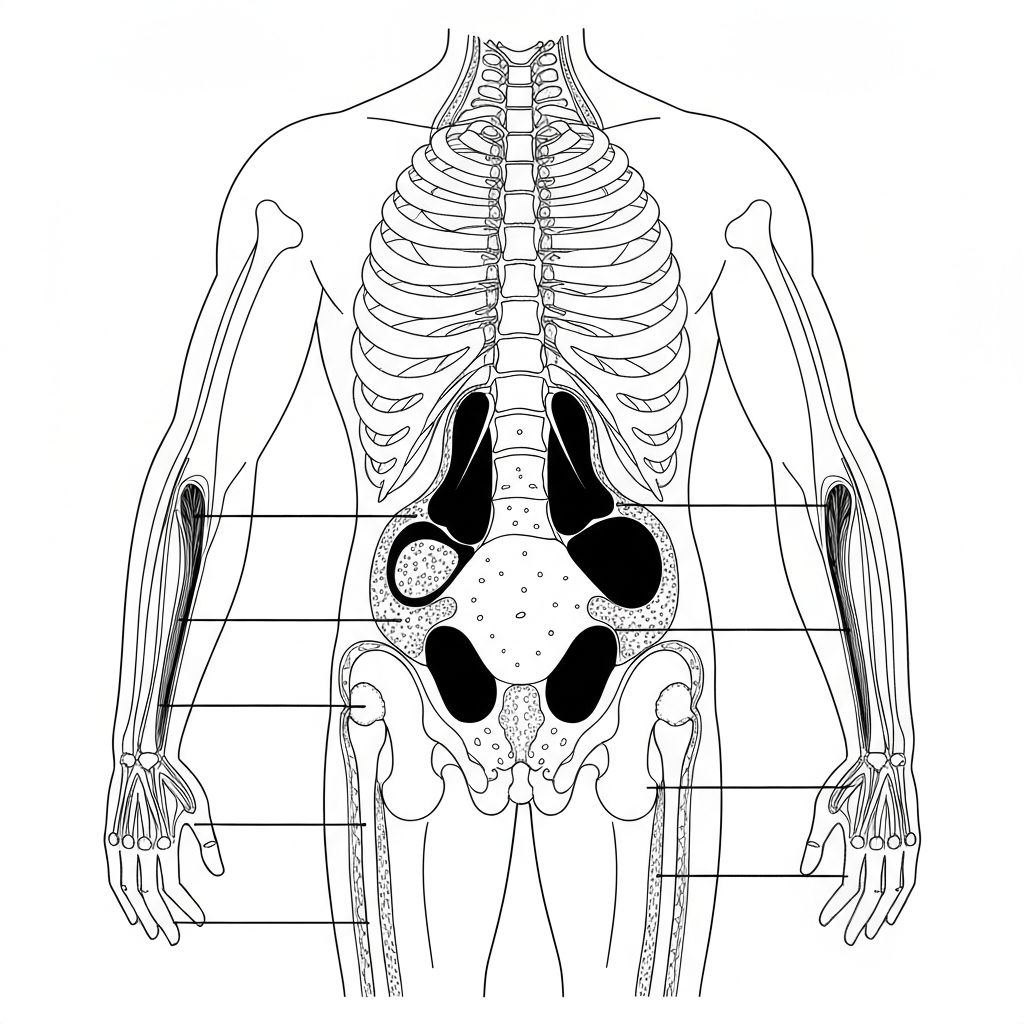
Two Types of Body Fat
Human body fat is not uniform. Two major categories—visceral fat and subcutaneous fat—differ in location, metabolic activity, and physiological role. Understanding these distinctions is essential to comprehending body composition and fat distribution.
Subcutaneous fat is stored beneath the skin, forming the fatty layer that gives shape to the body. Visceral fat is stored within the abdominal cavity, surrounding internal organs. While both are adipose tissue, they behave differently metabolically and physiologically.
Metabolic Differences
Visceral fat is more metabolically active than subcutaneous fat. It responds more readily to hormonal signals that trigger fat mobilization, making it more easily mobilized during energy deficit. Subcutaneous fat is less readily mobilized and tends to persist even during significant energy deficit.
This metabolic difference explains why fat loss from abdominal areas can sometimes occur more readily than from other regions—not because targeted exercise or diet affects that area specifically, but because visceral fat is inherently more responsive to systemic metabolic signals.
Regional Variation in Fat Storage
The ratio of visceral to subcutaneous fat varies between individuals based on genetics, hormones, age, and total body weight. Some individuals tend to store more visceral fat, while others accumulate primarily subcutaneous fat. This variation in fat storage preference is partly genetically determined.
Age-Related Changes
As people age, the proportion of visceral fat relative to subcutaneous fat tends to increase. This is a normal physiological change associated with aging and shifting hormone levels, not a failure of effort or discipline. This age-related shift occurs across diverse populations and represents an inherent aspect of human physiology.
Conclusion
Visceral and subcutaneous fat represent two distinct physiological compartments with different metabolic properties and storage locations. These differences explain some of the variation in how fat is distributed and mobilized between individuals. Understanding these physiological distinctions clarifies why body shape and fat storage patterns vary naturally across the population.
Educational Information Only
This article presents information about body fat physiology for educational purposes. It does not constitute medical advice or recommendations for health decisions. For personalized guidance, consult qualified healthcare professionals.